Events
2nd Swiss Design Forum | Protection and Licensing of Fonts and Typefaces
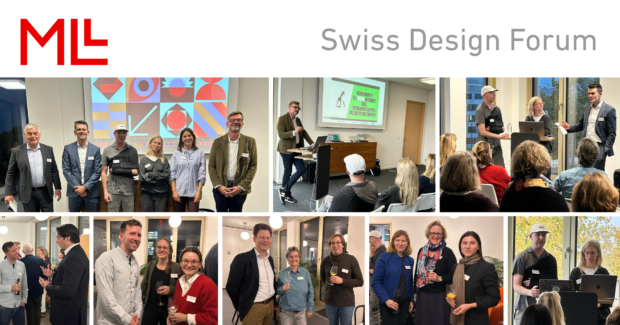
On 5 November 2026, MLL Legal welcomed around 30 guests to the 2nd Swiss Design Forum at our Zurich office. After the first Swiss Design Forum focused on product design, this 2nd edition was devoted to typography: how typefaces and fonts are created, how they build brands, how far the law protects them and how the rights in them are enforced in practice.
Fonts are everywhere, from websites and apps to brand identities and every piece of digital communication. But who owns them, how are they protected, and what does a license actually allow you to do? These questions matter more and more for a majority of companies. Speakers from type design, brand management and legal practice explored these questions from different angles:
Typeface or Font?
Michael Ritscher opened the forum by pointing out how often we encounter typefaces every day and how little we think about what lies behind them. He also explained why the two terms, often used as synonyms, differ both technically and legally.
From Idea to Typeface
Emmanuel Rey and Océane Torti of the type design studio Swiss Typefaces built on this distinction. The typeface is the visual design of the characters. The font is the computer code behind it. They walked the audience through the creative process.
Fonts as Brand Assets
Dr. Thomas Deigendesch of Jung von Matt BRAND IDENTITY Schweiz explained why professional font management is key to protecting corporate typography as a strategic brand asset and getting the most value from it. After elaborating the core tasks his conclusion reads: you can license a font, but its recognition must be earned.
Protecting a Typeface
Rhea Specogna then turned to the central legal question: to what extent can intellectual property law protect a typeface? Typefaces are used online across the globe, but IP protection is territorial, hence, the decisive factor is the domestic law of each country for which protection is sought. Then she reviewed case law from various jurisdictions, starting with the United States, where copyright protection for typefaces was refused as early as 1978.
Monotype Enforcement
Stefan Schröter showed how font licensing claims arise in practice and how companies can respond. Modern licenses are split into many categories, such as desktop, web fonts, apps, electronic documents and digital ads, each with its own metrics. This makes unintentional infringement likely. Stefan demonstrated how to check which fonts a website uses. Using Monotype, the world’s largest font provider, as an example, he also explained what protection means in practiceand what are the pitfalls in enforcement.
Font Licensing in Practice
Emmanuel Rey and Océane Torti closed with industry practice on licensing and pricing.
The discussions continued over an apéro riche. We warmly thank our guest speakers and all participants, and we look forward to the next Swiss Design Forum.
Curious about the key takeaways? Read our full report on the 2nd Swiss Design Forum in English, French or German. You might also be interested in Stefan Schröter’s article “When fonts become a Risk”.